Job card · No. 06
Cut and join copper and PVC pipe
A good joint starts with a square, clean cut. The pipe material decides the cutter, and the fitting decides the joiner.
Before you start
- Measure the outside diameter of the pipe and match it to the tool's stated range.
- Pick the cutter by material. The tubing cutter's chart marks plastic with an X.
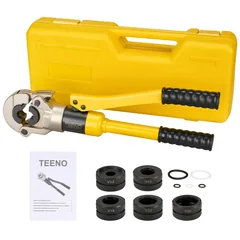
- Check that the crimper's jaws match your fittings before you order.
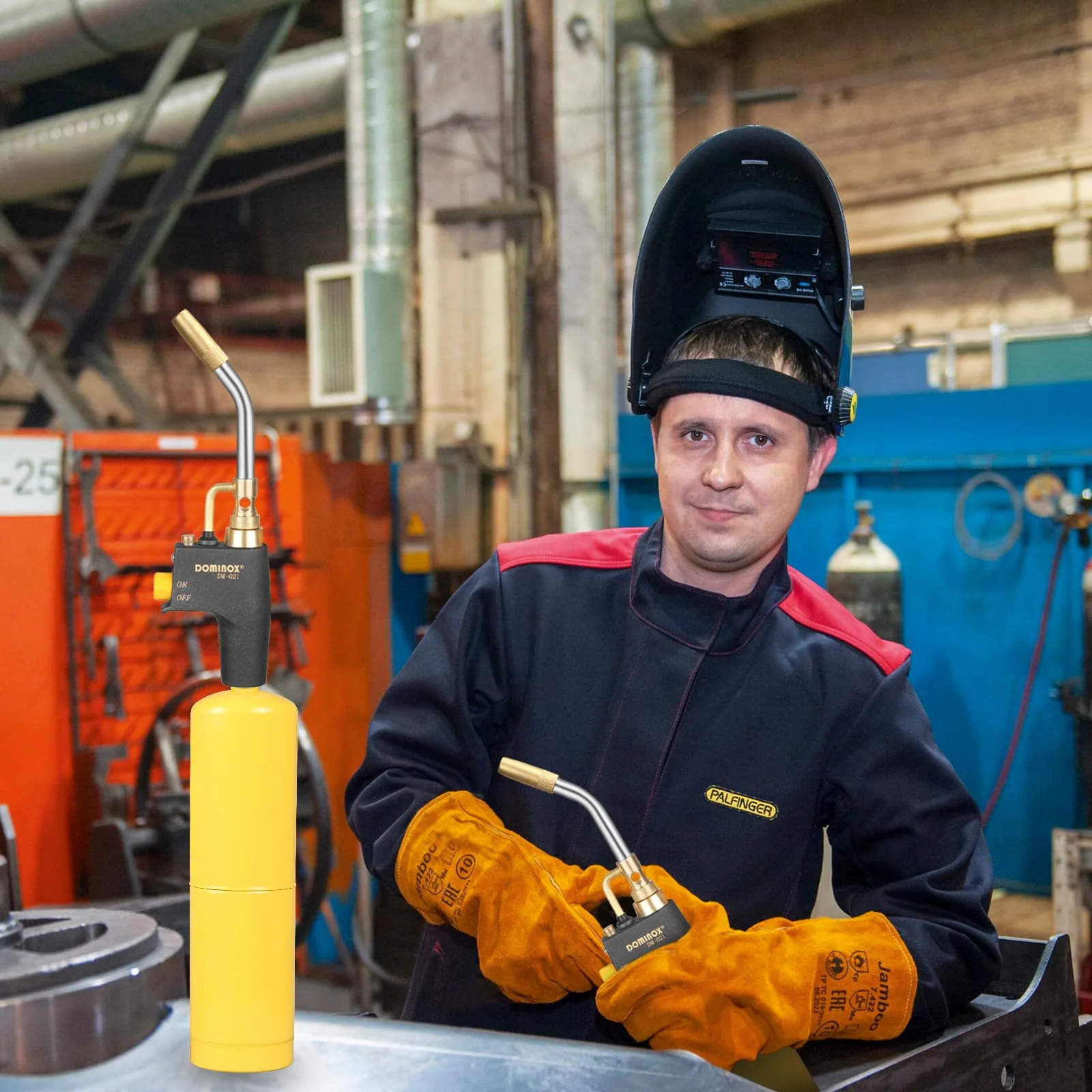
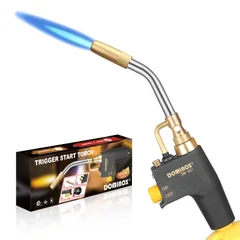
- Confirm the torch head's tank thread is CGA600.
- Read the torch manual and the tank label before connecting anything.
- Where
- Home, Workshop
- Level
- Intermediate
- Tools reviewed
- 7
- Work orders
- 3
- Why this level
- The job is rated Intermediate because the joint carries water. It needs square cuts and clean ends, and a torch adds gas and flame. Gas line work belongs to a licensed pro.
01 · The job
What the job takes
A fresh cut is not finished when the pipe comes apart. The end has to be square and smooth, or the fitting will not seat and the joint can drip later. One reviewer notes that a typical copper cutter leaves a ridge inside the pipe.
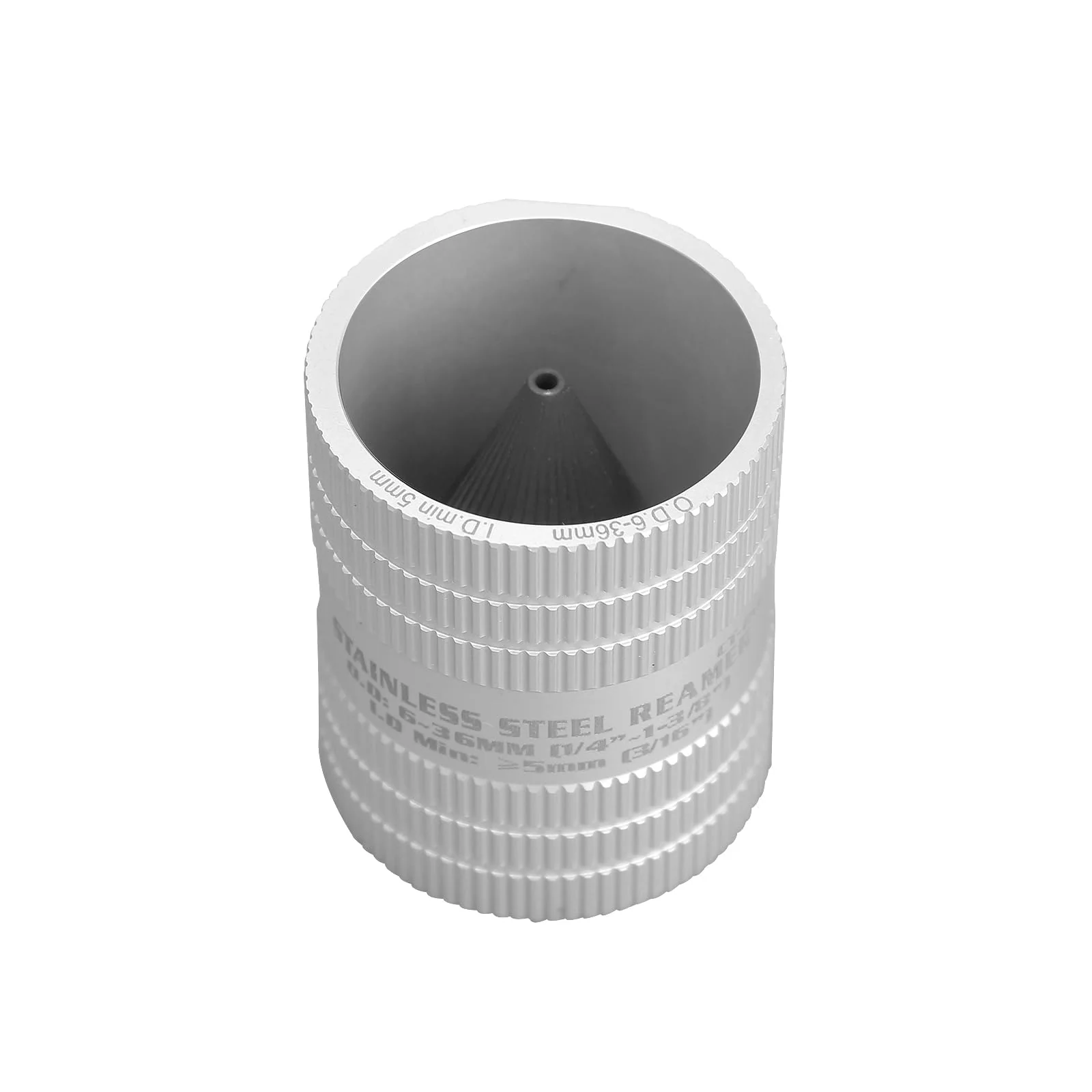
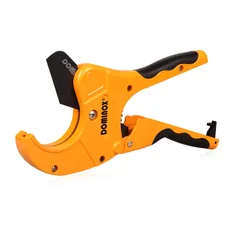
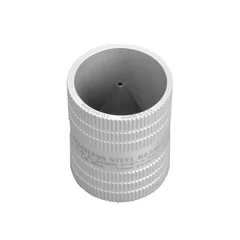
Metal tube takes a rotary tubing cutter, and plastic pipe takes a ratchet or electric cutter. A reamer cleans the burr afterward. Copper joints are made with a torch and solder, or with a hydraulic crimper that needs no flame.
02 · The steps
How to cut a pipe cleanly and finish the end
- Measure the outside diameter of the pipe and match it to the tool's stated range.
- Choose the metal cutter for copper or brass and the ratchet cutter for PVC, PEX or hose.
- On the ratchet cutter, tighten the blade screws first.
- Keep the cut at least 1.5 inches from the pipe mouth and hold the pipe square.
- On the tubing cutter, set the size, go around the tube, and tighten the knob again on thick pipe.
- Twist the reamer on the cut end to smooth the inside and outside edge.
- Brush out PVC dust from the reamer teeth when you finish.
Steps from the work order Tubing Cutter, PVC Ratchet Cutter and Pipe Reamer Compared, written from the product manuals and pages.
03 · Where it goes wrong
What trips buyers up
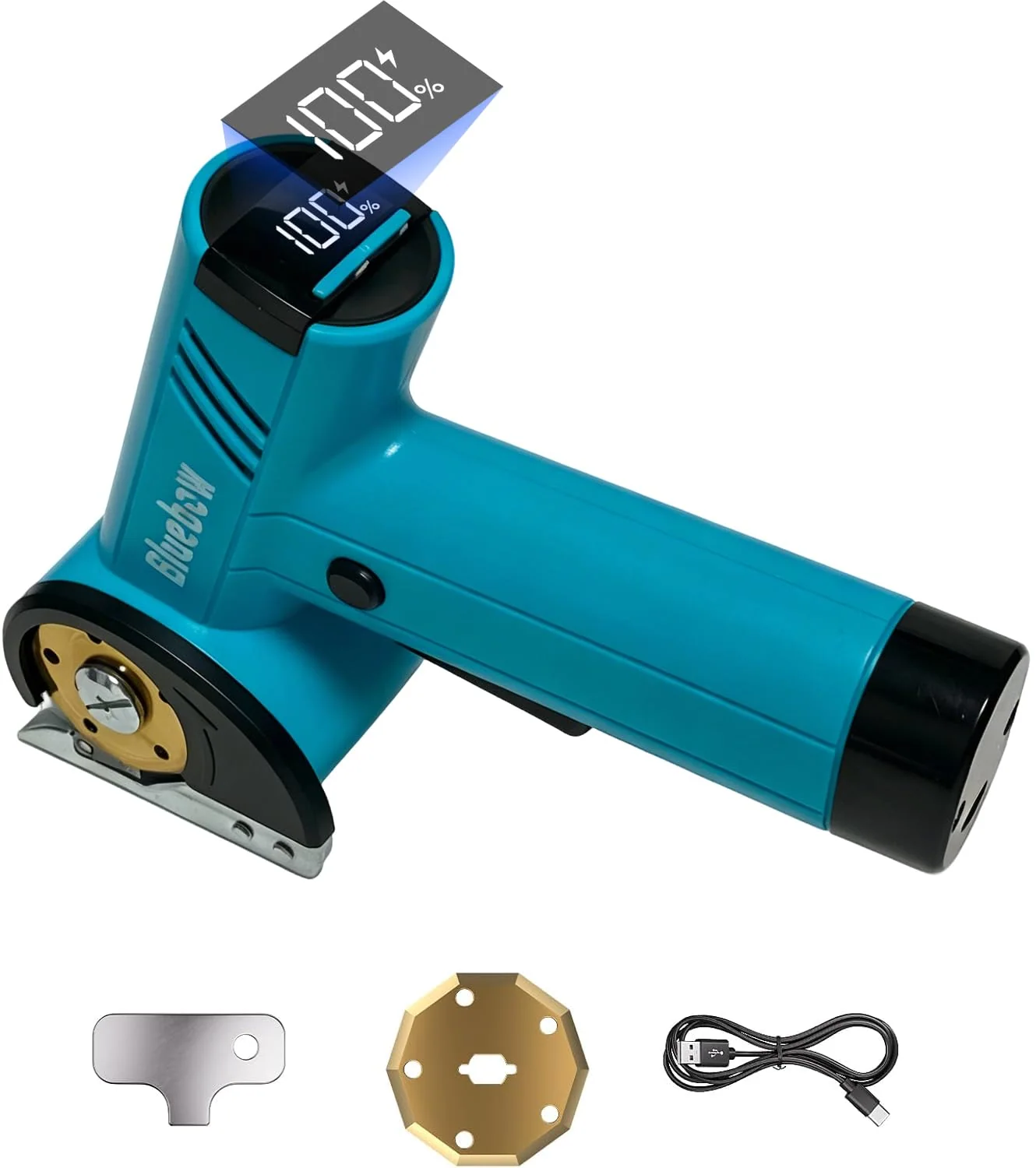
Cutters fail on technique and material. Ratchet cutter buyers report a dull blade, a bent pipe and replacement blades that squish the pipe. The electric PVC cutter has a touchy trigger that cracks thin-wall pipe unless you ease it down, and one buyer could not find a matching blade.
Joiners bring their own limits. A reviewer of the torch head reports a leak, flat tanks and worn threads. The crimper only helps when your fittings match its jaws, and its ratings are more split than the torch's.
04 · Questions from the bench
Questions about this job
Can I cut PVC with a copper tubing cutter?
No. The tubing cutter's own chart marks plastic pipe with an X. Its range is 3/16 to 2 inches for copper, brass, aluminum and stainless steel. For PVC, PEX or hose, the ratchet cutter is the right style, and it takes pipe up to 2-1/2 inches.
Do I need to deburr pipe after cutting it?
Yes, because a reviewer says a cutter leaves a ridge inside copper that can slow water flow and make noise. A reamer cleans the inside and outside edge of the cut end. On PVC, brush the dust out of the reamer teeth afterward.
Should I solder copper or use a crimper?
Solder suits someone who already has solder, flux and a steady hand. A crimper suits tight spaces where a flame is a problem, but it needs jaws that match your tube and fittings. With a torch, follow the manual and tank label first.
Tools for the job
7 tools from 3 work orders
DOMINOX 3/16 to 2 Inch Tubing Cutter PASS: We recommend
$20.99Price It on AmazonDOMINOX 2-1/2 Inch Ratchet PVC Cutter WITH CAVEATS: Recommended, with caveats
$16.99Price It on AmazonDOMINOX Tubing and Pipe Reamer PASS: We recommend
$29.99Price It on AmazonDOMINOX DM-021 Trigger Propane Torch Head PASS: We recommend
$28.99Price It on AmazonTEENO Hydraulic Copper Tube Crimping Tool WITH CAVEATS: Recommended, with caveats
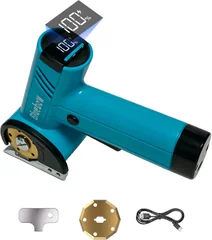
$169.81Price It on AmazonBluebow Cordless Electric Scissors WITH CAVEATS: Recommended, with caveats
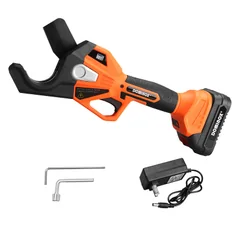
$12.62Price It on AmazonDOMINOX 18V Electric PVC Pipe Cutter WITH CAVEATS: Recommended, with caveats
$79.99Price It on Amazon
Watch the job
The tools at work
Full work orders
The reviews behind this job
-
WO 020Home · WorkshopIntermediate
Tubing Cutter, PVC Ratchet Cutter and Pipe Reamer Compared
2 PASS1 WITH CAVEATS3 tools · Theo Banks
-
WO 021Home · WorkshopIntermediate
Propane Torch Head and Copper Crimping Tool Compared
1 PASS1 WITH CAVEATS2 tools · Theo Banks
-
WO 014Home · WorkshopIntermediate
Cordless Electric Scissors and an 18V PVC Pipe Cutter, Reviewed
2 WITH CAVEATS2 tools · Nina Kowalczyk