Job card · No. 11
Cut concrete and chip out tile
Concrete, tile and mortar all make silica dust. Match the saw, chisel or grinder to the job, then check guards and blades first.
Before you start
- Read OSHA's crystalline silica page before you cut concrete or stone.
- Check the saw's manual for how the blade and its guard fit.
- Look every blade over for cracks and set the tool aside if you find one.
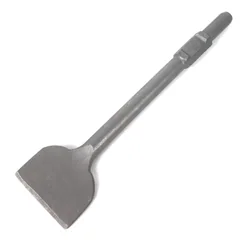
- Match the chisel's 30 mm hex shank to your demolition hammer's chuck.
- Test the water pump on its own before you plan any wet cutting.
- Where
- Yard, Workshop
- Level
- Advanced
- Tools reviewed
- 6
- Work orders
- 2
- Why this level
- The job is rated Advanced because every cut makes silica dust. OSHA's rules on guards and cracked blades apply, and the tools depend on a matching hammer, power source or battery.
01 · The job
What the job takes
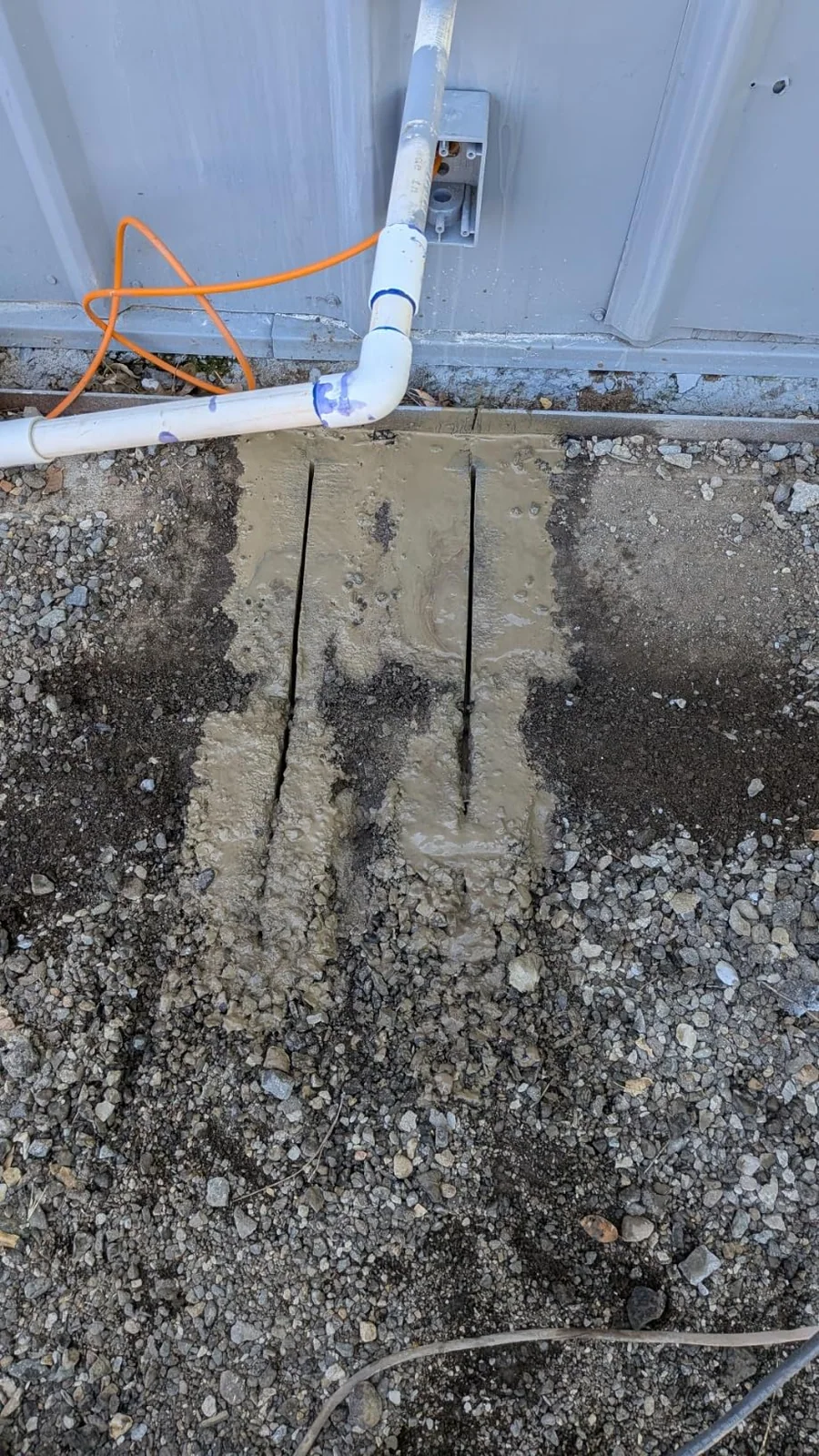
A 4-inch sidewalk slab has a cracked corner. A bathroom floor has lost its tile but not its thinset. Or a tile edge needs a notch in a space where a full-size tool will not fit.
A corded concrete saw opens the slab, and a wide chisel in a demolition hammer clears old floor. A cordless angle grinder or mini saw handles cuts in tight spots. OSHA's silica page says sand, stone, concrete and mortar contain crystalline silica, and it lists silicosis, an incurable lung disease.
02 · The steps
Before you make the first cut with the saw
- Read the saw's manual for how the blade and its guard fit.
- Look the blade over for cracks and set the saw aside if you find one.
- Plug into an outlet that suits a 3000-watt tool, as one buyer did with a 100-foot, 16-gauge cord on a 20-amp breaker.
- Run the water pump on its own before you plan any wet cutting.
- Mark the cut and keep it within the brand's 4.8-inch depth.
- Read OSHA's silica page before you start on concrete or stone.
Steps from the work order Concrete Saw, Tile Chisel and Drywall Sander Discs Reviewed, written from the product manuals and pages and Occupational Safety and Health Administration (OSHA) guidance.
03 · Where it goes wrong
What trips buyers up
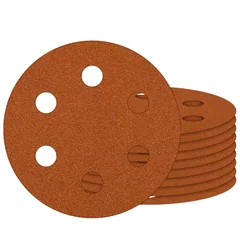
Fit and parts cause most trouble. The chisel does nothing without a hammer that takes its shank, and the sander discs name no sander model. Two buyers say the concrete saw's water pump failed, and one wished a spare blade were easy to order.
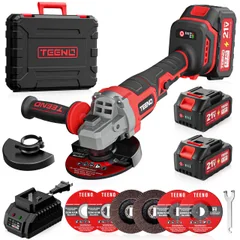
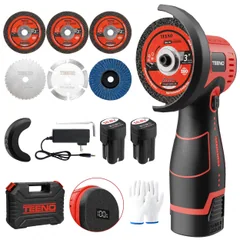
Tight-space tools bring different complaints. Ratings for a mini circular saw are more divided than for a 5-inch grinder, and one buyer of a mini grinder found it flimsy and returned it.
04 · Questions from the bench
Questions about this job
Should I rent a concrete saw or buy one?
Rent when you have one or two cuts. One reviewer said the 14-inch saw cost only slightly more than a rental, which is a fair test. If you expect to cut again, owning makes sense, and the saw's depth limit is 4.8 inches.
What do I check on a saw or grinder before the first cut?
Fit the guard before you mount a disc, because OSHA's rule says abrasive wheels go only on machines with safety guards. Look the blade over for cracks, since OSHA says all cracked saws shall be removed from service. Use the manual for the rest.
How do I clear old tile and thinset from a floor?
A wide chisel in a demolition hammer does it. The 4-inch chisel in these reviews needs a hammer with a 30 mm hex shank. For a small patch, a long-handled hand scraper skips the hammer entirely, and a power chisel pays off on a whole floor.
Sources
General information, not professional advice: follow the product's manual and the warnings on its label.
- Silica, Crystalline, Occupational Safety and Health Administration (OSHA). Read November 16, 2026.
- 1910.243 Guarding of portable powered tools, Occupational Safety and Health Administration (OSHA). Read November 16, 2026.
Tools for the job
6 tools from 2 work orders
JACKCHEN 14-Inch Electric Concrete Saw WITH CAVEATS: Recommended, with caveats
$219.99Price It on AmazonJACKCHEN 4x16 Inch Tile Chisel PASS: We recommend
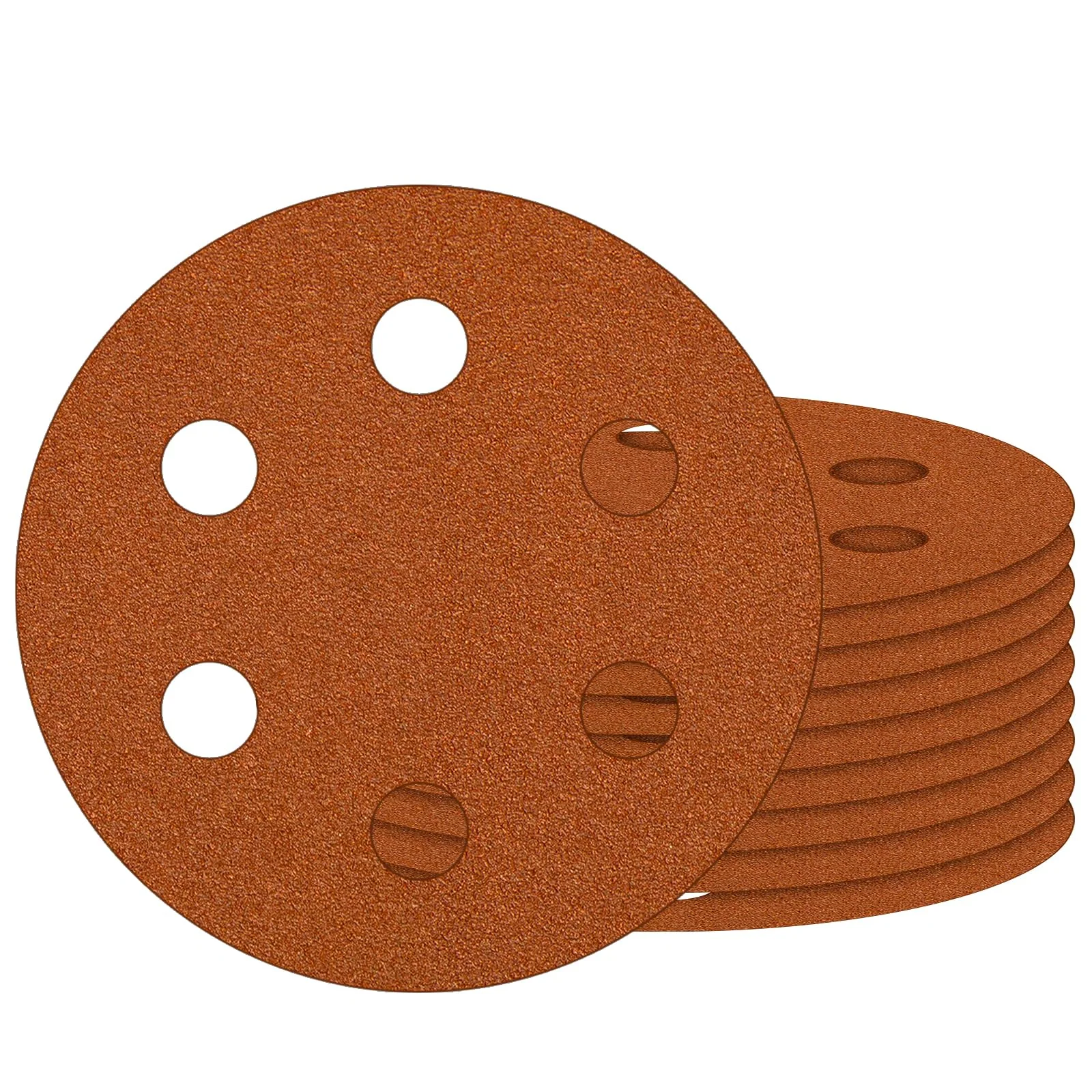
$27.99Price It on AmazonBluebow Drywall Sander Discs WITH CAVEATS: Recommended, with caveats
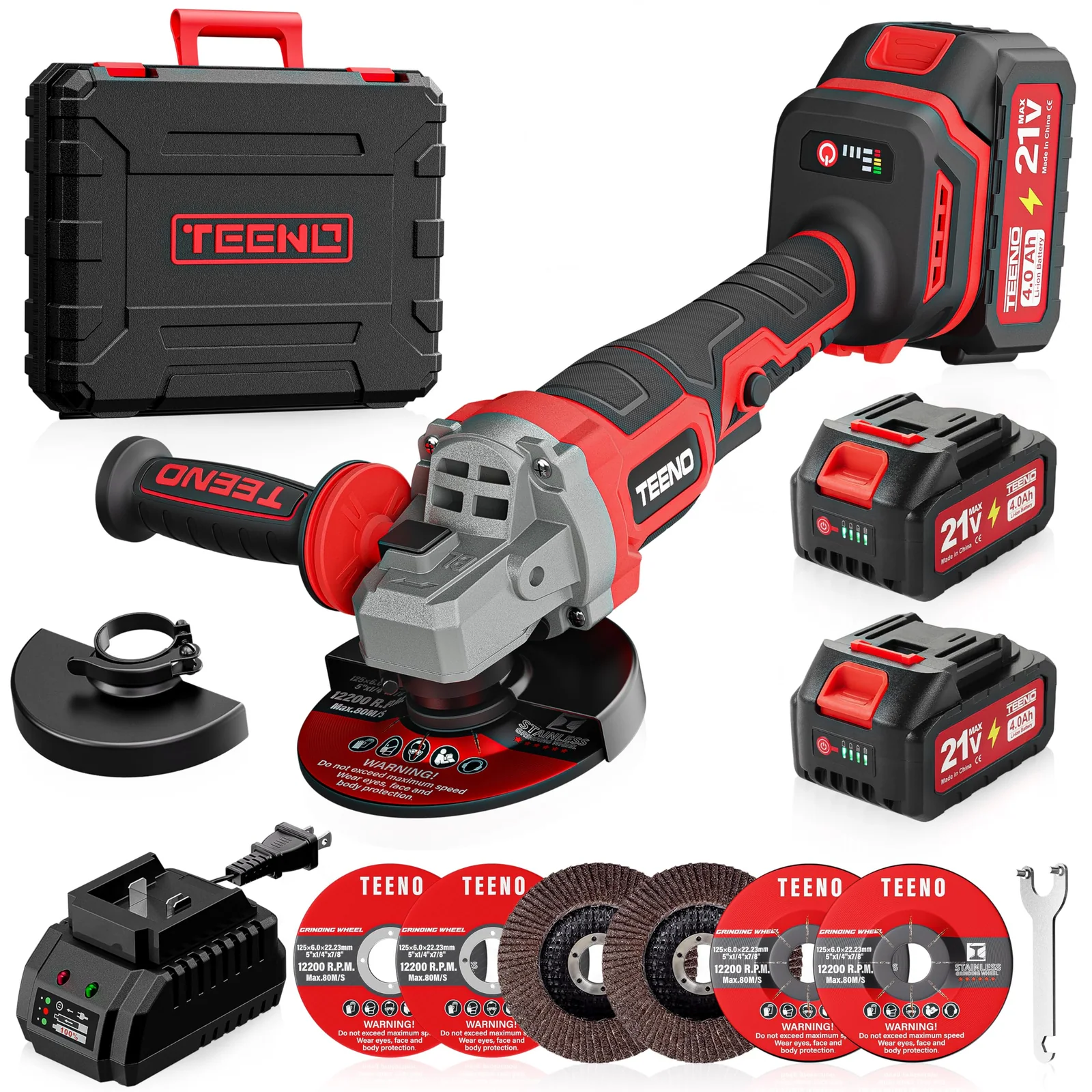
$12.99Price It on AmazonTEENO 21V 4-1/2 or 5-Inch Grinder PASS: We recommend
$79.99Price It on AmazonTEENO 16.8V 3-Inch Mini Grinder WITH CAVEATS: Recommended, with caveats
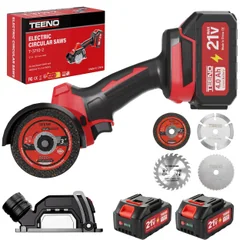
$39.99Price It on AmazonTEENO 3-Inch 21V Mini Circular Saw WITH CAVEATS: Recommended, with caveats
$69.99Price It on Amazon
Watch the job
The tools at work
Full work orders
The reviews behind this job
-
WO 016Yard · WorkshopAdvanced
Concrete Saw, Tile Chisel and Drywall Sander Discs Reviewed
2 WITH CAVEATS1 PASS3 tools · Nina Kowalczyk
-
WO 011Yard · WorkshopAdvanced
Cordless Angle Grinders and a Mini Circular Saw Compared
1 PASS2 WITH CAVEATS3 tools · Nina Kowalczyk